Therapy is expensive, waitlists are long, and it's late at night when most people finally admit they're not okay. That gap is exactly where Hey Noah has set up shop. The app offers an AI you can talk to about stress, anxiety and overthinking whenever you open it: no appointment, no intake form, no one across the room. It's an appealing pitch. It's also a pitch that deserves more scrutiny than a to-do list app or a photo filter, because the stakes are different.
Our view, based on the brand's public materials and what users are saying about it, is fairly simple. Hey Noah can be a useful place to think out loud. It is not a therapist, and the app should do more to make that obvious.
The Short Version
| Item | Details |
|---|---|
| Name | Hey Noah, also marketed as Noah AI or Noah AI Therapist |
| What it is | An AI emotional support and mental wellness app built around therapy-style chat |
| Website | heynoah.ai |
| Where to get it | Apple App Store and Google Play, listed as an AI emotional coach or therapist app |
| The promise | Private, on-demand support through chat and voice-style conversation |
| Good for | Venting, journaling prompts, reflection and low-pressure emotional check-ins |
| Not for | Crises, diagnosis, emergencies, medication questions, or replacing a licensed therapist |
| Icon Polls rating | 2.9 out of 5 |
What Noah Actually Is
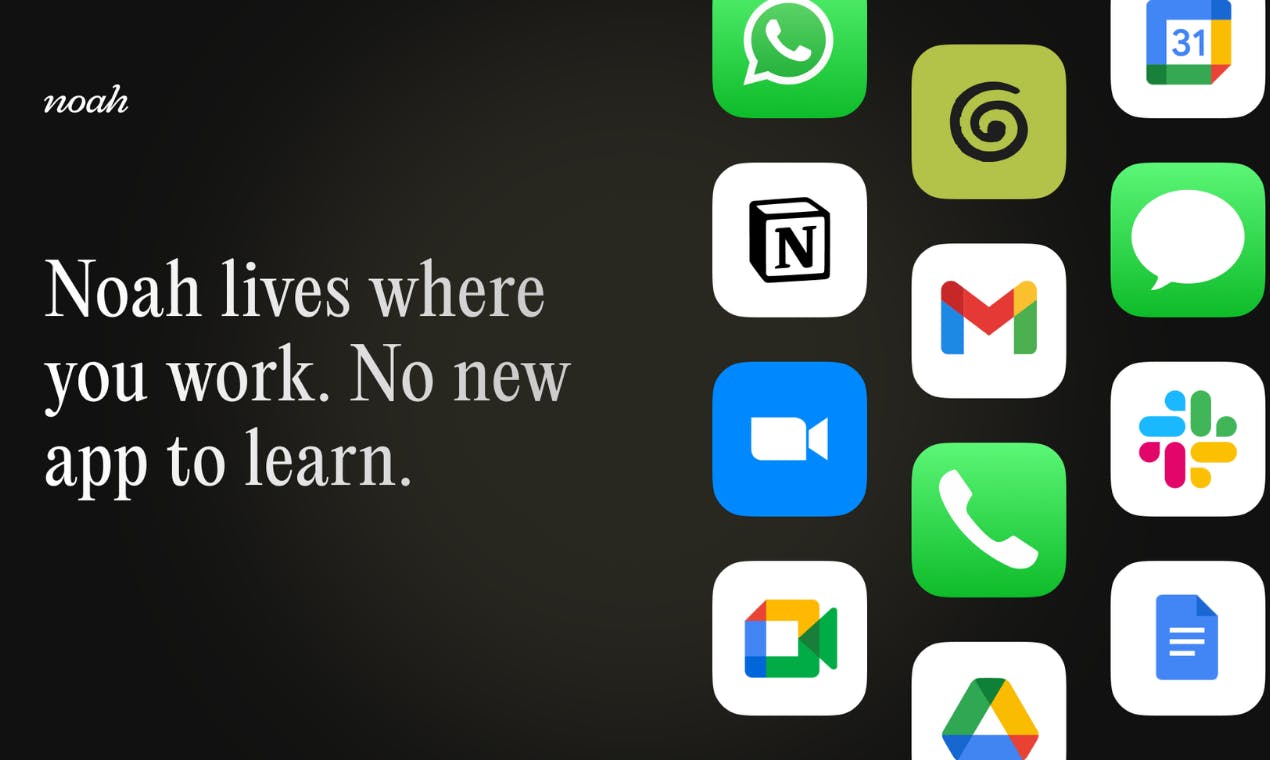
Strip away the branding and Hey Noah is a conversational AI tuned for emotional topics. You type (or speak) what's on your mind, and Noah replies calmly, asks follow-up questions and tries to help you sort out what you're feeling. The focus areas are the everyday ones: stress, worry, overthinking, self-care habits and general mental wellness.
The selling point is convenience. There's nothing to book and nobody to wait for. For a lot of people, that removes the single biggest barrier to talking about how they feel.
Where the Warmth Helps
The best thing about Noah is how little it asks of you. Plenty of wellness apps bury the useful part behind questionnaires and onboarding screens. Noah's pitch is close to the opposite: open it and start talking.
That matters for a specific kind of user. Someone who has had a long, draining day. Someone who feels a bit lonely and doesn't want to burden a friend at midnight. Someone who has always meant to start journaling but freezes at the blank page. Noah's prompts give that person a place to begin, and a reply that doesn't judge them.
- It's easy to understand, even if you've never used an AI wellness tool.
- It gives a quick outlet for stress, worry and looping thoughts.
- The friendly tone lowers the pressure of opening up.
- Being on both major app stores makes it far more reachable than appointment-based support.
Confidence Without Judgment
Here's the uncomfortable part. AI emotional support can sound more certain than it has any right to. A reply can be gentle, well phrased and caring in tone while still being generated from patterns rather than from clinical judgment. The warmth is real in the sense that it's pleasant to read. It is not the same as someone understanding your history, your family, your medical context or your level of risk.
That's the main reason Hey Noah sits below 3.0 in our rating. The idea is sound. But mental health is a category where "sounds supportive" isn't enough. It needs a higher bar for safety, transparency and accountability, and Noah hasn't clearly cleared it yet.
When the Voice Drops Out
Reliability is the other weak spot. Public comments from users suggest people like Noah's emotional tone, but some have complained about the voice feature disconnecting or feeling unstable.
In a productivity app, a dropped connection is an annoyance. In an app you reach for because you're upset, it lands harder. If you've worked yourself up to saying something difficult and the conversation cuts out, that's not a small bug. For a product that sells itself on being there when you need it, stability should be treated as a core feature.
The Word "Therapist" Is Doing a Lot of Work
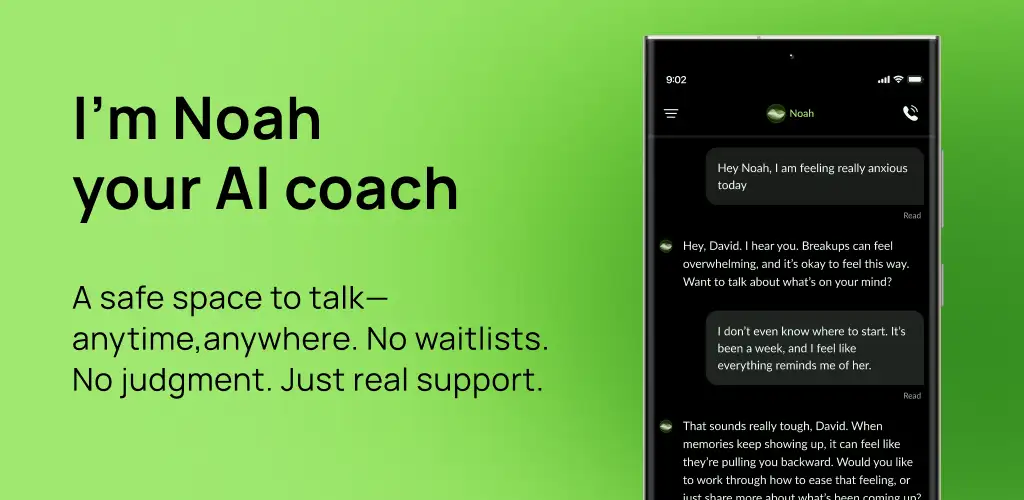
Is Hey Noah a real therapist? No. It uses therapy-inspired language and coaching prompts, but a therapist is a trained, licensed human who follows professional ethics, can assess risk and is accountable when someone is in danger. An app can't take on that responsibility.
This isn't pedantry. More people in 2026 are searching for "AI therapist" precisely because human care feels out of reach. Marketing that leans on the word therapist makes it easier for a struggling person to treat the app as something it isn't.
Noah should not be used for: suicidal thoughts, self-harm, abuse situations, severe anxiety or panic, psychosis, trauma emergencies or medical decisions. In those moments, contact local emergency services, a crisis line, someone you trust, or a licensed mental health professional.
Privacy Promises Need Plain English
Hey Noah presents itself as privacy-first, and that language is reassuring. Reassurance isn't the same as explanation, though. People pouring out personal feelings deserve clear, everyday answers to a few questions:
- How is conversation data stored and handled?
- Are conversations ever reviewed by people?
- What happens when someone writes something that signals real danger?
- Where does emotional coaching end and clinical care begin?
Until those answers are easy to find, read the privacy policy yourself before sharing anything sensitive.
Why 2.9
The number reflects a product with a good instinct and unfinished foundations. What would move it up? Clearer separation between AI support and licensed care. Stronger, more visible crisis boundaries. A more reliable voice experience. Plainer privacy explanations. And more independent evidence, from clinicians and outside reviewers, that the approach actually helps.
Used for what it's good at, venting, reflecting and getting unstuck, Noah can earn a place on your phone. Used as a replacement for real care, it becomes a risk.
If you enjoy weighing apps, tech and culture with other readers, browse more Icon Polls reviews and features and tell us where you land.
Before You Download
Is Hey Noah safe to use?
For general reflection, journaling and low-risk conversations, it can be a reasonable tool. It is not safe to rely on during emergencies, self-harm thoughts or serious mental health episodes, where human help is needed.
Can Hey Noah help with anxiety?
It may help some people calm down or feel heard during mild anxiety. It is not a treatment for anxiety disorders or panic attacks.
Does it have voice support?
Voice-style conversation is part of the experience, according to public materials and user discussions. Some users report the voice feature can be unreliable, so your results may vary.