Security cameras have become the printers of the smart home. The hardware is priced to sell, and the real money sits in the monthly plan you need before you can keep your own footage. Stop paying, and plenty of cameras shrink into live-view windows.
It doesn't have to work that way. Every system below records locally, to a hub, a microSD card, a hard drive or a recorder you own, with no fee required for the core job. They aren't equal, though. The right pick depends less on resolution than on where you want your video to live, and how much setup you'll tolerate to get it there.
Ten Systems, One Rule: The Video Stays Home
| System | Best for | Video | Storage | Typical street price |
|---|---|---|---|---|
| eufyCam S3 Pro (2 cameras + HomeBase 3) | Best overall | 4K | HomeBase 3, 16GB built in, up to 16TB | $385 to $550 for the kit |
| Reolink Argus 4 Pro | Wire-free outdoor | 4K, 180 degrees | microSD up to 128GB or Reolink Home Hub | $190 to $260 |
| Reolink PoE NVR kit (RLK series) | Wired whole-home value | 4K to 16MP | NVR hard drive, about 30 days | From about $500 for four cameras |
| UniFi Protect G6 Bullet or Turret | Full local control | 4K, 30fps | Your own UniFi console or UNVR | $199 per camera plus recorder |
| TP-Link Tapo C660 Kit | Budget 4K solar | 4K | microSD up to 512GB or Tapo H500 hub | About $150 to $200 |
| Aqara Camera Hub G5 Pro | Apple homes | 4MP (2.5K) | Onboard, NAS via RTSP or SMB, HomeKit Secure Video | $150 to $200 |
| eufy SoloCam S340 | Solar pan and tilt | 3K dual lens | Onboard or HomeBase S380 | About $200 |
| eufy Video Doorbell E340 | Fee-free doorbell | 2K dual camera | Onboard or HomeBase S380 | $150 to $180 |
| Blink Outdoor 4 + Sync Module XR | Cheapest free storage | 1080p | USB drive or microSD in the module | About $50 per camera |
| Wyze Cam v4 | Under $50 | 2.5K | microSD in the camera | $36 to $50 |
eufyCam S3 Pro: Still the One to Beat
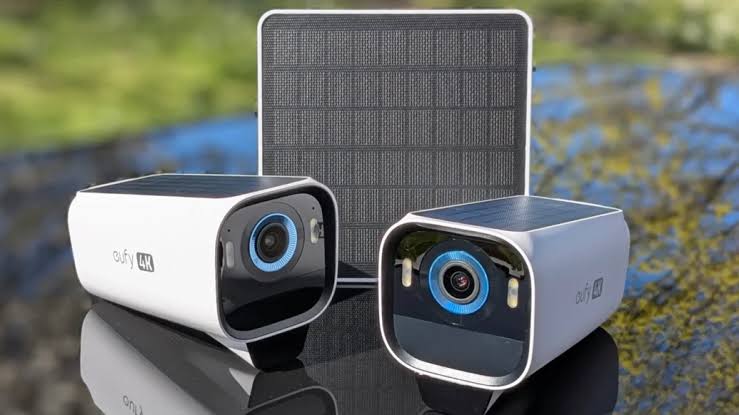
Anker's flagship has held the top spot for more than a year. A 4K sensor pairs with MaxColor night vision, which produces colour footage in near darkness without firing a spotlight, and a PIR plus radar detection setup that eufy says cuts false alerts sharply. That's the gap between fifteen useless pings a night and two that matter.
Everything lands on the HomeBase 3: 16GB built in, room for a drive up to 16TB, and BionicMind AI that learns familiar faces and stitches clips as someone crosses between cameras. No monthly charge. The catch is the door price. The two-camera kit lists at $549.99, though it has mostly sold for $385 to $450 in 2026, and the cameras only talk to the HomeBase 3. You're buying an ecosystem. Want 360-degree coverage from one mount? The newer eufyCam S4 adds a three-lens pan and tilt head.
Reolink Argus 4 Pro: A Battery Camera Without the Blind Spot
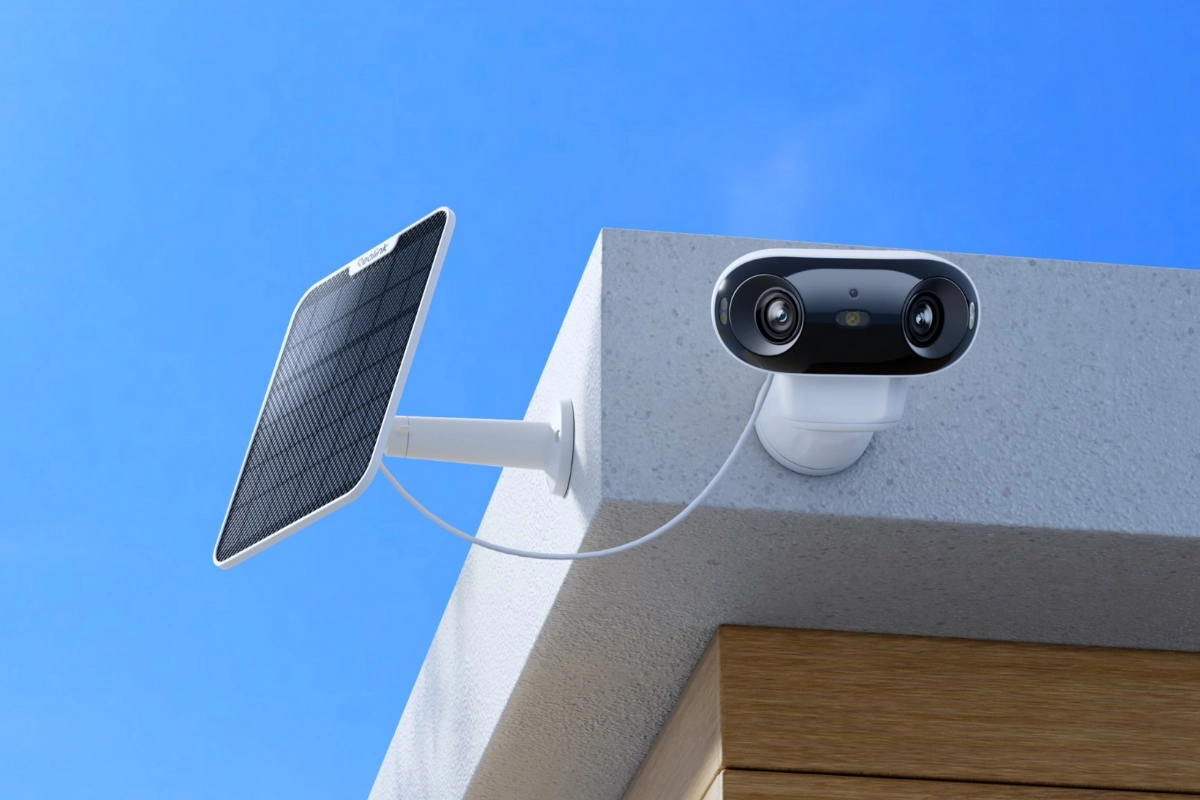
Two lenses stitched into one 180-degree 4K image fix the classic battery camera weakness: the dead zone right beside it. The ColorX sensor (f/1.0, 1/1.8-inch) keeps colour at night where rivals fall back to grey infrared, and dual-band Wi-Fi 6 keeps the stream steady. Footage goes to a microSD card up to 128GB or to Reolink's Home Hub.
The caveats are real. Reviewers in a genuine northern winter found the bundled 6W solar panel struggled through long cloudy spells, and push alerts can trail events by several seconds. Fine for monitoring, less fine for catching a parcel thief live. Bundles range from about $190 to nearly $400.
Reolink PoE NVR Kits: Run the Cable Once, Then Forget It
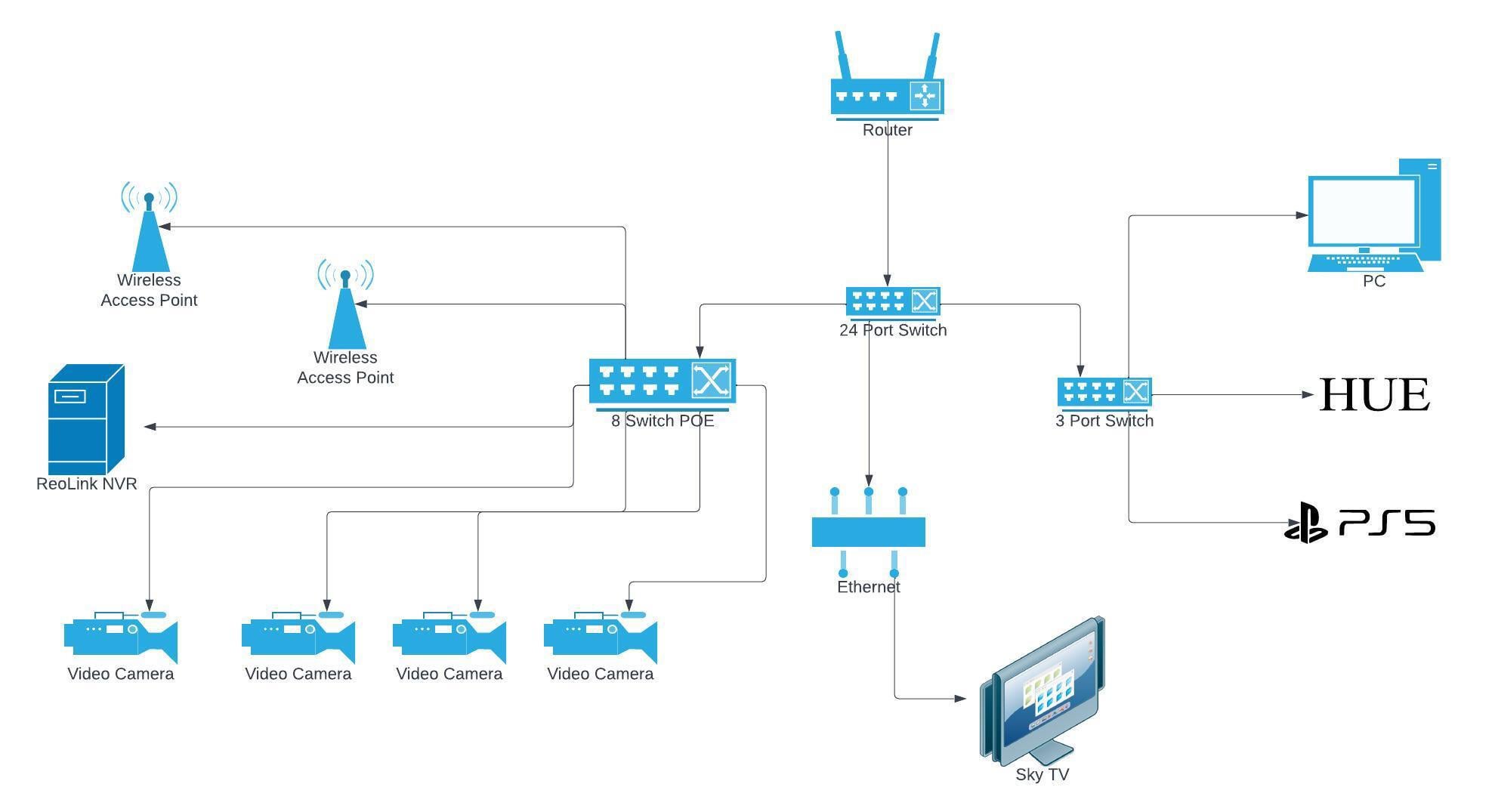
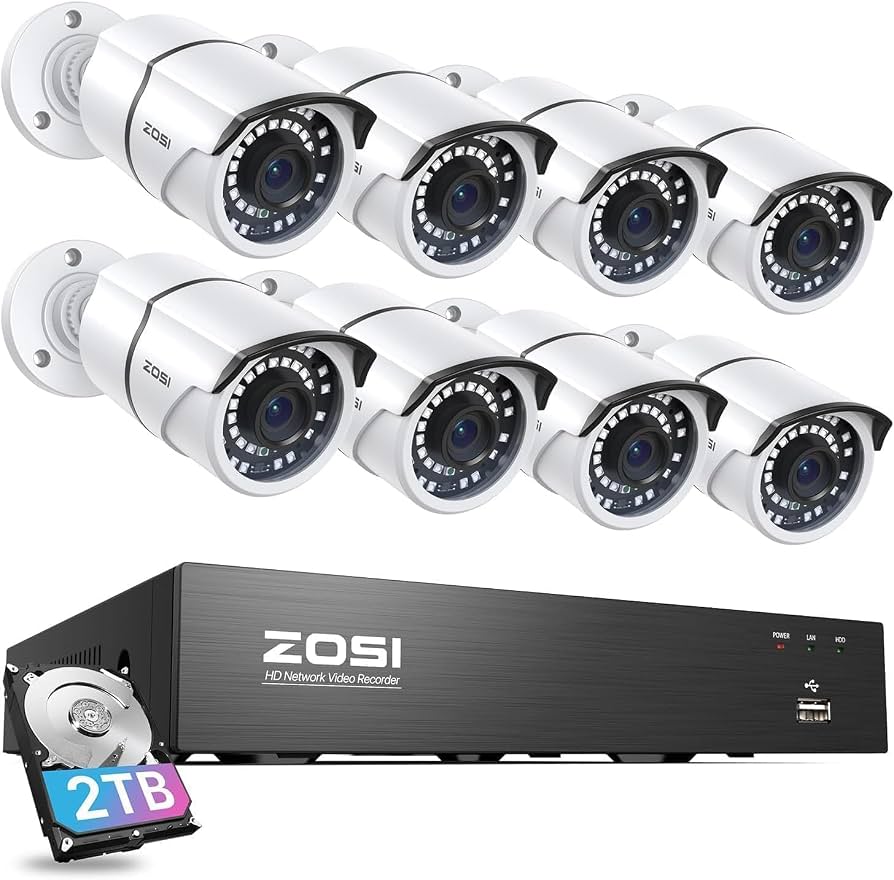
If you'll run cable, nothing here beats this for value. Roughly $500 buys an NVR and four 4K PoE cameras recording continuously with about thirty days of retention. One cable per camera carries power and data, so there are no batteries and no Wi-Fi congestion. The RLC-810A and RLC-820A remain the sensible workhorses, while Reolink used CES 2026 to show the 24MP triple-lens OMVI X16 PoE and a local AI Box.
Do the storage maths first: continuous 4K eats roughly 15GB to 20GB per camera per day. Event-triggered recording drops that to around 3GB to 5GB.
UniFi Protect G6: No Company Server in the Path

Ubiquiti's appeal is architectural. The recorder, network and storage are yours, and the AI runs locally. The $199 G6 Bullet and G6 Turret record 4K at 30fps with 30 metres of infrared, IP66 weatherproofing and on-camera face and licence plate recognition, which keeps alert latency low.
The price is complexity. You need a UniFi console or NVR, and with no microSD slot the cameras stop recording if the recorder drops offline. Undersized PoE cable causes voltage drop that surfaces months later as random reboots. For UniFi households, though, it's the purest no-fee setup here.
Tapo C660 Kit: Cheap Stopped Meaning Compromised
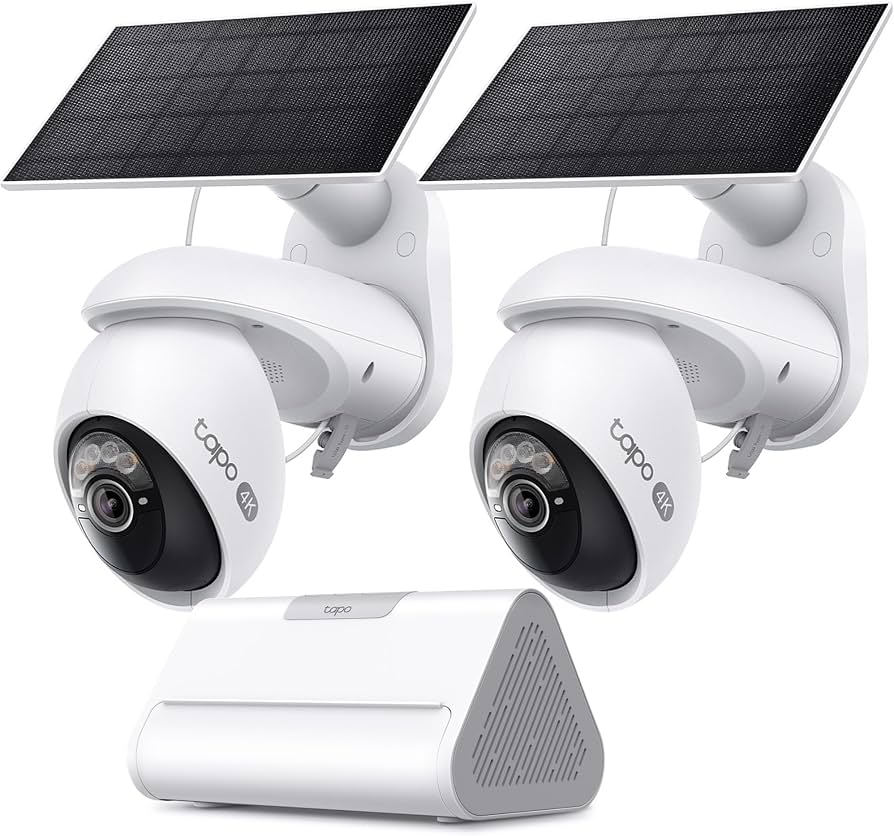
Tapo is now the brand to beat anywhere between $25 and $200. The C660 kit is 4K, solar and wire-free, recording to a microSD card up to 512GB (about 388 hours of 4K, by TP-Link's figures) or to the H500 hub for up to 16TB. Below it, the C560WS adds auto-tracking pan and tilt, the C615F brings an 800-lumen floodlight with no junction box, and the roughly $30 C120 offers 24/7 recording plus RTSP and ONVIF for Home Assistant or Frigate. Tapo Care is optional, not a hidden requirement.
Aqara G5 Pro: Made for the iPhone House
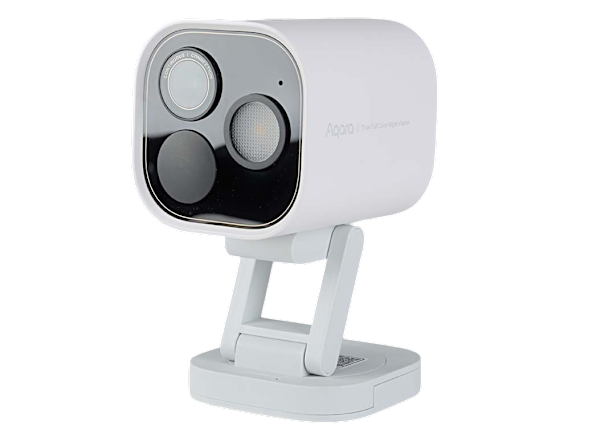
Native HomeKit Secure Video means recordings sit in iCloud without eating your storage allowance, and the camera doubles as a Matter controller, Thread border router and Zigbee hub. Resolution is 4MP rather than 4K, but low-light colour is strong, and storage options (onboard, NAS, HomeKit or Aqara's optional HomeGuardian) are unusually flexible. It lists at $179.99 for Wi-Fi and $199.99 for PoE, often nearer $150. Outside an Apple home most of the value disappears, and with no battery option you'll need a power run.
eufy SoloCam S340: One Camera, No Hub, Full Circle
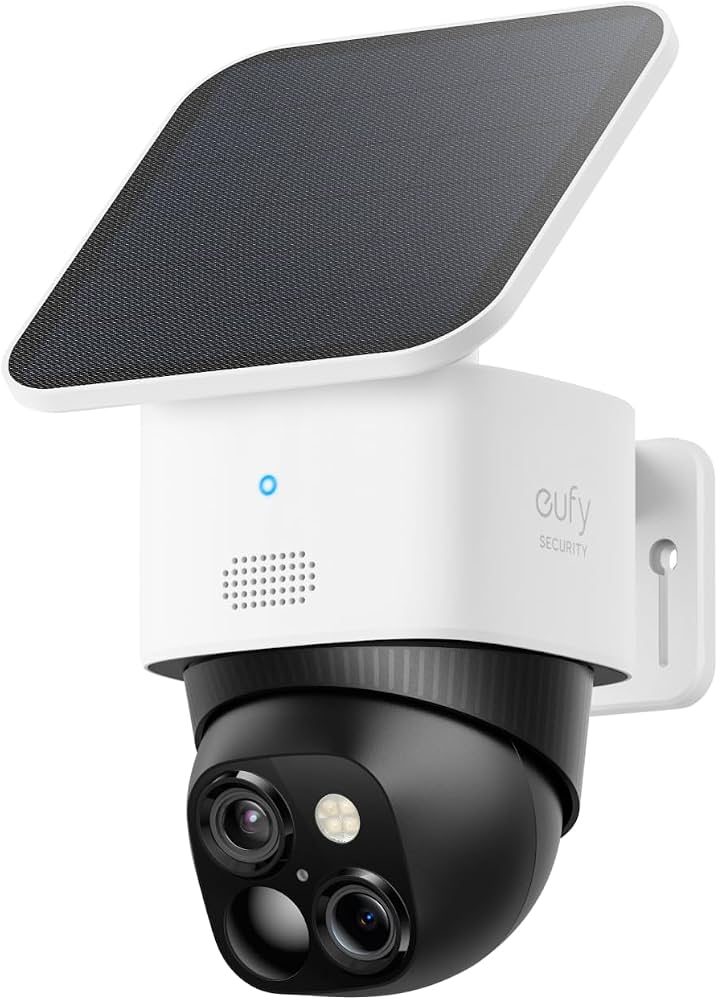
At around $200 it works alone. Wide and telephoto lenses sit on a head that pans 360 degrees and tilts, with AI tracking that follows a subject across the frame. A couple of hours of daily sun keeps it charged, and testers say it copes with cold better than several rivals. It can join a HomeBase S380 later. The trade-off: onboard storage is modest next to a 128GB card, so busy spots cycle footage faster.
eufy Video Doorbell E340: The Front Door Without an Invoice
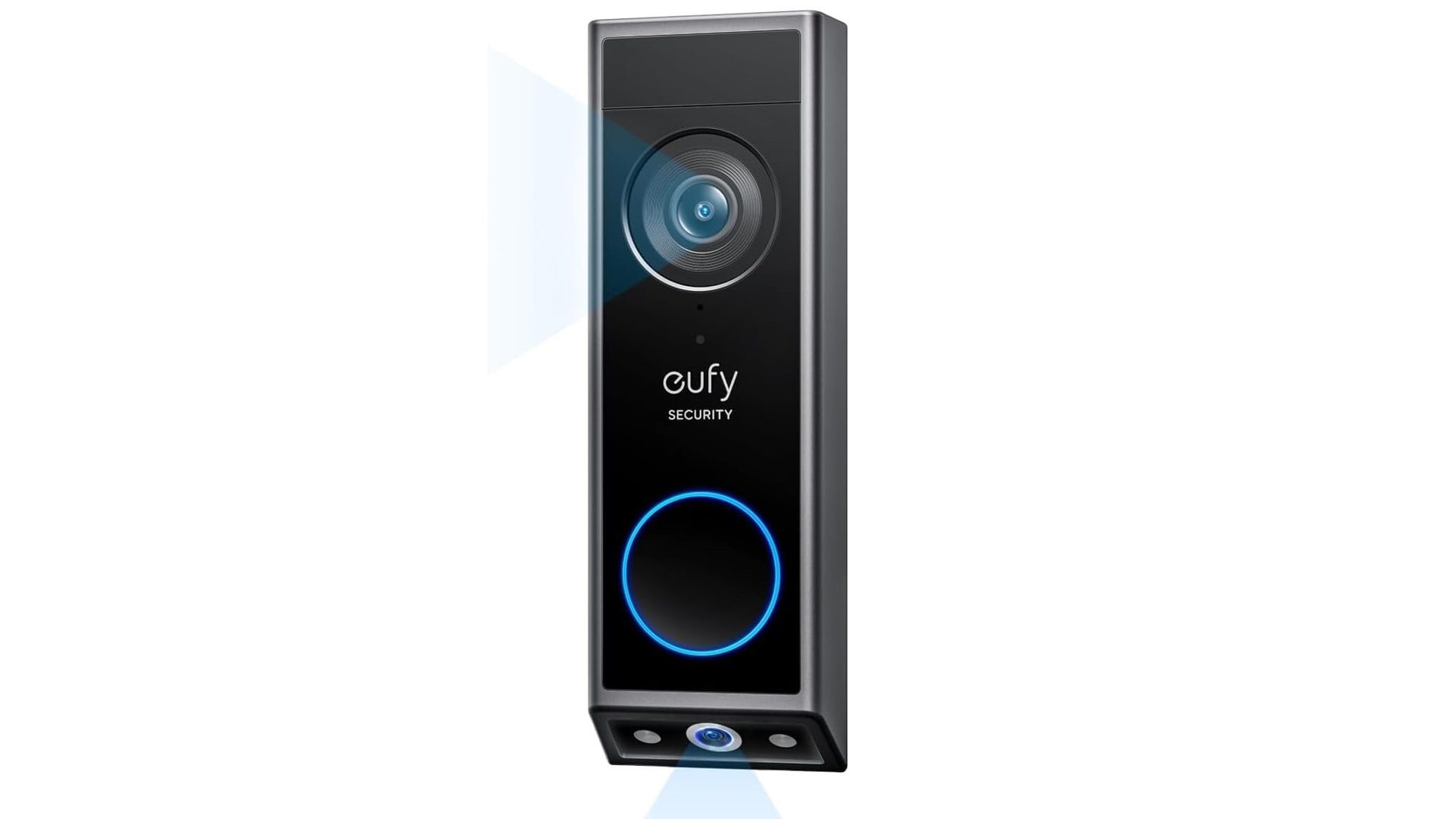
Doorbells are where subscriptions bite hardest; a Ring without a plan is close to a live-view novelty. The E340 has one 2K camera at face height and another aimed at the doormat for parcels, plus colour night vision, with every useful feature included. TP-Link's Tapo D225 is the rival: 2K, a 180-degree head-to-toe view, a 10,000mAh battery or hardwiring, free AI detection and a chime, usually for less. Pick whichever matches your other cameras.
Blink Outdoor 4: Check the Hub Before Checkout
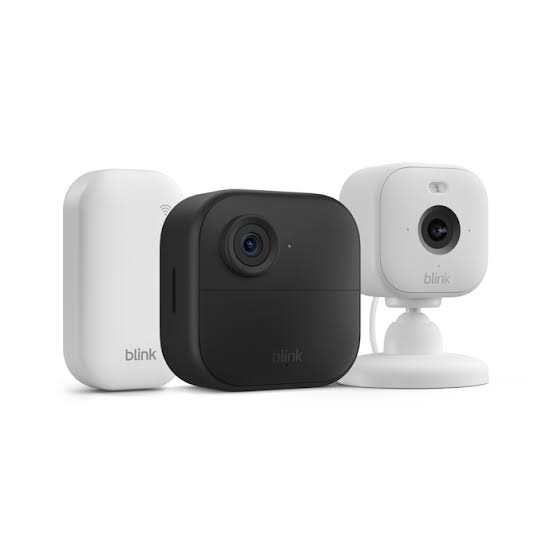
About $50 a camera and two years on a pair of AA lithium cells. But the Sync Module Core in many bundles has no local storage, so no plan means no saved clips. You need the Sync Module 2 with a USB drive or the Sync Module XR with microSD. Expect 1080p, infrared night vision and motion-only recording, since person detection is paid. Fine for a garage or a rental.
Wyze Cam v4: Great Value, With Asterisks
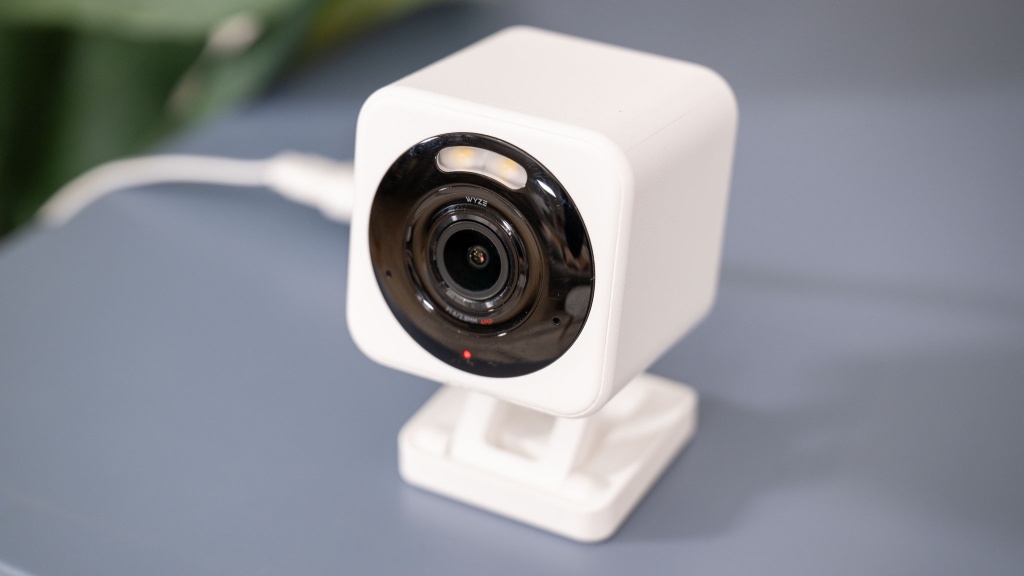
For $36 to $50 you get 2.5K video, strong colour night vision, IP65 weather resistance and one of the smoothest apps here, recording continuously to microSD for free. Two asterisks: the free cloud tier has clip limits and cooldowns, and Wyze's history of privacy and security incidents deserves a read before buying. Local recording avoids much of that. If you're upgrading a wired system instead, Lorex's 4K NVR kits are worth a look.
So Which One?
Want polish and don't mind the upfront cost? eufy. Want value and can run cable? Reolink PoE. Want nobody else holding your video? UniFi. Tight budget? Tapo. For more comparisons and fan debates, browse the latest Icon Polls guides and features.
Do any of these need a subscription to save video?
Not for core recording. Blink needs the right Sync Module for local storage, and it keeps person detection behind a paid tier.
How big a drive do I need?
Plan on 15GB to 20GB per camera per day for continuous 4K, or 3GB to 5GB with event-triggered recording.